Article: Perfume Layering Guide for Beginners Made Simple
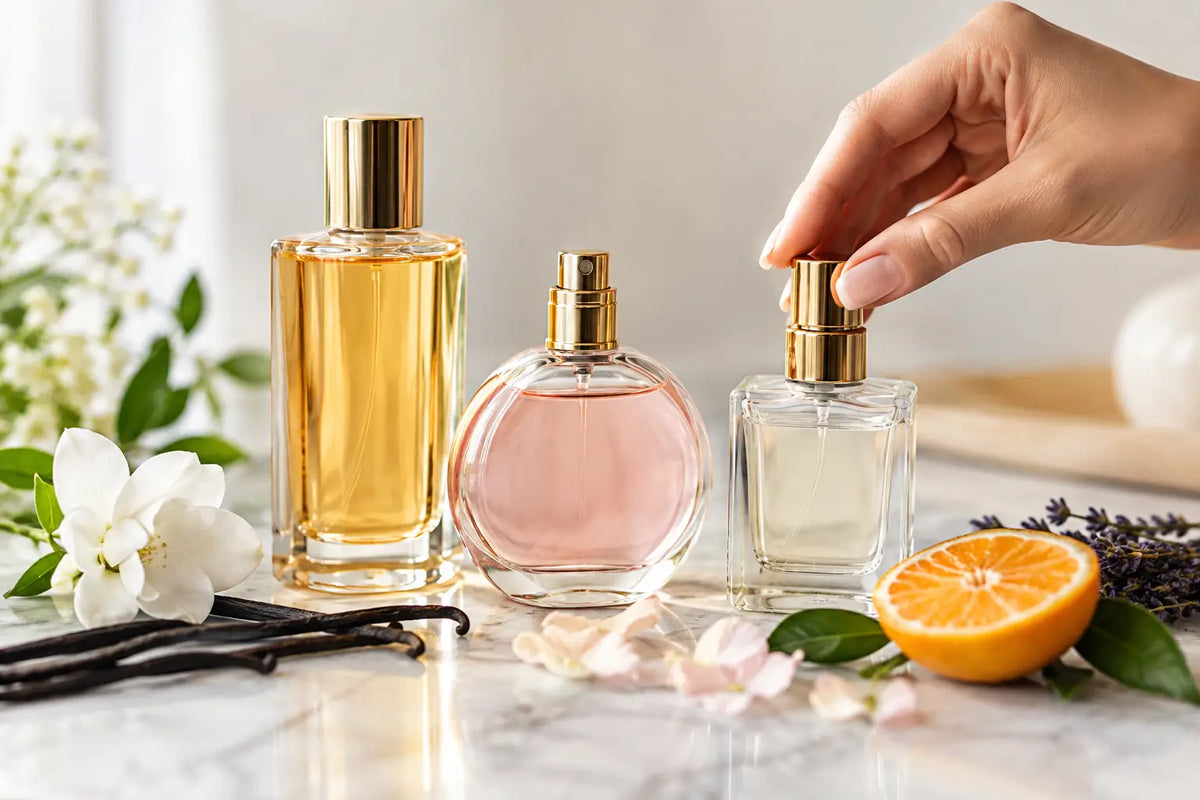
Perfume Layering Guide for Beginners Made Simple
A great fragrance can feel personal before you have even said a word. This perfume layering guide for beginners is for anyone who loves the idea of a signature scent but does not want to turn their morning routine into a chemistry experiment. The aim is simple: make two or three fragrances, or scented products, smell more like you - never louder just for the sake of it.
Layering is not about spraying every perfume you own. It is about choosing notes that belong together, applying them in the right order and giving each one enough space to develop on skin. Done well, it can add warmth to a fresh scent, soften a statement perfume or help a favourite fragrance last longer.
What perfume layering actually means
Perfume layering means combining scented products to create a more individual result. That can be as understated as matching an unscented moisturiser with your usual eau de parfum, or as creative as pairing a clean citrus cologne with a soft floral scent.
The simplest place to start is with body care. A shower gel, body lotion and perfume in a similar fragrance family create a polished, continuous effect. You can also layer different perfumes, but this calls for a lighter hand. Fragrance is made in stages: sparkling top notes arrive first, a heart of florals, spice or fruit follows, and deeper base notes such as woods, musk, amber or vanilla stay closest to the skin. Two scents may smell lovely alone but compete once those changing layers meet.
There is no single combination that works for everyone. Skin chemistry, weather and how much you apply all matter. That is why testing is more useful than copying somebody else's exact formula.
Perfume layering guide for beginners: start with a base
The best first layer is usually not another perfume. It is moisturised skin.
Fragrance tends to hold better on hydrated skin, while dry skin can make it seem to disappear quickly. Apply an unscented body cream after showering, then spray your perfume once the skin has settled. This method changes the wear rather than the scent itself, so it is ideal if you are still learning what notes suit you.
If you prefer scented body care, choose something that supports rather than distracts from your perfume. A neutral shea butter, soft musk or gentle vanilla lotion works with many floral, amber and gourmand scents. Fresh citrus or aquatic perfumes often pair best with an unscented lotion, since rich body creams can pull them in a sweeter direction.
After moisturiser, use the fragrance with more depth as your base. Think sandalwood, amber, vanilla, tonka bean, musk, patchouli or cedarwood. Then add a brighter scent over the top: bergamot, neroli, rose, pear, peony or grapefruit. The base gives the combination shape, while the lighter fragrance provides lift.
Choose one shared note
The easiest route to a successful pairing is finding a note the two fragrances have in common. It acts like a thread running through the finished scent.
For example, a rose perfume can become creamier when layered with vanilla, while a clean musk can make rose feel more modern and skin-like. A citrus fragrance with a woody base often works beautifully with neroli, vetiver or cedar. If you enjoy a rich, evening-style scent, amber and spice can sit naturally with vanilla, tobacco or warm woods.
You do not need an expert nose to spot the connection. Read the note descriptions, then ask a straightforward question: do these scents share a mood? A bright lemon fragrance and a dense chocolate gourmand may both be appealing, but they rarely create an easy first-layering combination. A lemon fragrance with a creamy neroli or soft musk is much more likely to feel intentional.
Combinations that are easy to wear
For a fresh and polished daytime finish, try a citrus or cologne-style fragrance with clean musk or light cedarwood. This gives bright notes more staying power without making them heavy.
For a romantic floral, pair rose, peony or jasmine with a discreet vanilla or amber fragrance. Keep the sweeter layer to one spray. Florals can become overly rich very quickly when they meet a strong gourmand.
For cosy autumn and winter wear, combine vanilla with sandalwood, tonka, cardamom or amber. These notes naturally overlap, creating a warm effect that feels considered rather than crowded.
For a subtle skin scent, use a soft musk as the base and add one spray of iris, pear, orange blossom or a sheer floral. This is an especially good approach for work, close settings or anyone who wants fragrance to be noticed only when somebody is near.
Apply less than you think
The most common beginner mistake is using the same number of sprays for both perfumes. Layering increases complexity and projection, so scale back.
Start with one spray of your base fragrance on the chest or the back of the neck. Add one spray of the lighter fragrance to the wrists or collarbone. Avoid rubbing your wrists together. It creates friction and can make the opening feel less clear, even if it does not literally break down every fragrance molecule.
Then wait. Give the combination at least 15 minutes before deciding whether it works. The first impression is often dominated by alcohol and top notes. The real character appears once both scents begin to settle.
If you want a more diffused effect, spray one fragrance into the air and walk through it after applying the other to skin. It is less precise, but useful with stronger perfumes. Alternatively, spray a scarf or coat lining very lightly, provided the fabric is suitable and you have tested for marking. Fragrance can cling to fibres for days, so do not layer on clothing unless you are happy to wear that pairing again.
Match layering to the season and setting
A fragrance combination that feels elegant on a cold evening can be overwhelming on a crowded train in July. Heat amplifies scent, especially sweet, resinous and spicy notes. In warm weather, use fewer sprays and lean towards citrus, tea, green notes, watery florals or clean musks.
Cold weather gives richer scents more room. Vanilla, oud, amber, leather and woods tend to feel smoother in cool air, and can benefit from a brighter top layer to stop them becoming too dense. A fresh bergamot or mandarin fragrance can make an otherwise formal woody scent feel easier to wear during the day.
Consider the setting too. For an office, choose a low-projection base and a fresh top note. For dinner or an occasion, you can bring in more depth, but the person beside you should not be able to taste your perfume. A refined trail is far more memorable than a cloud of competing notes.
Know when not to layer
Some perfumes are already complete compositions, especially complex designer and niche fragrances built around distinctive accords. If a scent changes beautifully from opening to dry-down, enjoy it on its own. Layering should enhance your collection, not become a rule you feel obliged to follow.
Avoid pairing two very powerful fragrances, particularly if both feature oud, heavy patchouli, syrupy fruit, dense white florals or pronounced leather. These notes can be spectacular individually but may blur together. If you love both scents, wear one in the daytime and the other after dark instead.
It also pays to be cautious when trying a new perfume. Wear it alone a few times first. You will understand its strength, longevity and dry-down more clearly, which makes choosing a partner much easier.
Keep a simple scent record
Layering becomes more enjoyable when you remember what worked. Make a brief note on your phone: the two fragrances, how many sprays you used, where you applied them and how they smelled after an hour. This is particularly useful if you are building a premium fragrance wardrobe and want each bottle to earn its place.
Test combinations on days when you are not rushing out the door. Try them on clean skin, rather than over the lingering trace of yesterday's perfume. If you are purchasing designer fragrance online, choosing authentic products from trusted, traceable supply also gives you a more consistent point of reference when learning a scent's true character.
At BeautyBurst, the pleasure of premium fragrance begins with confidence in what you are wearing. Start with one trusted favourite, add a supporting note rather than a rival, and let the result develop quietly on your skin. The best layered scent should still feel like you, only a little more distinctive.

